Do not be too moral. You may cheat yourself out of too much life. Aim above morality. Be not simply good, be good for something. Henry David Thoreau
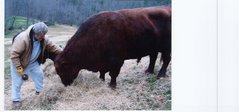
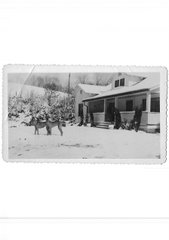
Living on a farm requires everyone in the farm family to work. As a child, it was expected of me to help with the garden planting, hoeing, picking and preserving. When it was hay season, I was on the trailer stacking bales and helping to transfer those same bales to the pole barn for storage. When a new pasture was needed, my sister and I spent five of our Saturdays sprigging and watering grass with our father. Driving the tractor while my dad peeled hay off the roll for the cows, washing the clothes and hanging them out on the line in the backyard, learning how to shoot a rifle so I could kill a rattlesnake (we lived on a farm that had previously been named Rattlesnake Hill for good reason), bucket feeding orphaned calves twice a day, feeding and watering the chickens were a part of my daily life as a child in the rural South. When my mother went to work outside the home when I was nine, daddy gave my sister and me two cooking lessons... how to make vegetable soup and how to cut up a chicken (you could only buy whole chickens back in the dark ages). After that, we were on our own and required to help start supper for mama before she got home. Often we had the meal ready by the time she arrived. This work was in addition to the usual chores... make your bed, clean your room, practice your piano, do your homework, help with the housework on Saturday mornings, iron clothes. Children in all the families I knew were good for something besides just being.
Barbara Brown Taylor in her book An Altar in the World lists all the jobs she has had and all the jobs she hopes to yet have. She chooses to see them as opportunities to learn about herself and connection to other people she would not meet except through that job. Like most of us, she lived with the illusion that God had one overarching most important just right job waiting for us when we grew up.
In my Baptist world, this was referred to as “being called”. A popular folk saying was “Many are called but few are chosen”.Working at the paper mill was o.k. but being called to be a preacher was much higher on the list of godly work. Being a teacher was good work but being a missionary was the pinnacle of sacrificial calling. Listening to Miss Pearl Todd tell of her work as a missionary in China elicited in my twelve year old self an earnest desire to be called to full time Christian service. I claimed that call by walking down the aisle and announcing it to the preacher, Brother Kannon, who promptly told the congregation. In later years my father owned his fear of that call coming true when I married Michael in seminary. He figured God was finally going to get me and send me to “Darkest Africa” far, far away from him and the family.
The truth of the matter is we are all called to and chosen for many different kinds of work in our lives. My daddy worked in a paper mill, his college degree prepared him for a work he chose not to do, in order to buy the farm, work that he loved to do. My mother loved working in the insurance business but was never paid what she was worth. I’ve been a social worker, a paid child care provider, a piano teacher, director of an Information and Referral Service, an office assistant for a fund raising effort, an organist, a picture framer and a teacher in a continuing ed program. None of this work was all of who I was but each job taught me something new about myself.
Most of us have two kinds of work... work we have to do and work we choose to do. Sometimes the work we have to do keeps food on the table and a roof over our heads, the dishes washed and the house cleaned. The work we choose to do keeps our souls fed and sheltered. Even those lucky few who have work that supplies both needs, will find worms in their shiny red work apples. The work we do, both kinds, is a gift we offer to the world not because it makes us somebody but because we are already somebody, a special gift from God to the world.
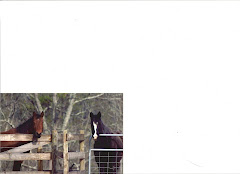
I mother my children and other young friends as one of my vocations. It is as special to me as the art I create and the classes I teach. The horse poop I scoop and the hay I feed the cows is have to work that offers me an opportunity to rest my spirit in the needs of the present day. Shopping for groceries, washing clothes, cooking supper and mopping the floor become sacramental acts, offerings of grace filled joy because I have been given much. In Ecclesiastes, the preacher says, “Enjoy life with the wife whom you love...all the days of your life which have been given to you under the sun... and in your work at which you work under the sun. Whatsoever your hand finds to do, do it with all your might.”
And so today, Lord, help me do what needs to be done and what I choose to do with all my might, not from any sense of unworthiness, but in the gladsome assurance that all I do is a gift from you that I am giving back to you. I am a somebody, a whobody, an employee whose paycheck is love, laughter and life. Thank you for all my jobs, great and small.
Tuesday, October 27, 2009


Sunday, October 25, 2009
Good fences... good neighbors... good God
The minister’s group was sitting on the deck, warming their souls and their bodies in the fall sunshine, taking in the view and relaxed when I arrived. As I walked to the deck to greet them, Mahan made the mistake of asking me how I was. I was not good. The past thirty minutes had been spent fuming about hunters on the back part of the farm who ignored fences and posted signs in order to hunt deer. Leisa, our neighbor, had called me on my way home from work to tell me there was shooting on the farm. She offered to go check on the cows to make sure they were not hurt. As she walked into the Sound of Music hill pasture, she heard a big diesel pickup truck drive away. Hunters, using the old road that borders the back fence line of the farm perhaps, were leaving.
One of the early lessons I learned from my father was the importance of honoring fence lines. Growing up in a rented house on a farm owned by a friend and neighbor, we were instructed to ask permission when we roamed past the fence lines that enclosed the fields surrounding our house. When my pet pig broke through the fence line, we went to pick her up, apologizing for the inconvenience, loss of corn and fixed the fence. Boundaries matter in a rural setting. They help keep everything and everyone “in their place”. Poet Robert Frost in his poem “Mending Wall” says “Good fences make good neighbors”. Every farmer knows the truth of this statement. But, good fences make no nevermind if they are not honored by the persons on both sides of the fence.
Our donkeys nibble away at board fencing. Bit by bit, in boredom or just because it feels good, they chew small bits away until the board breaks. The two inch thick boards that separated them from Junie B in the stall are a memory. Now a metal gate will keep them and their busy teeth in check. Sometimes a fence, like the rock walls in Frost’s poem, is only as good as its construction.
Reading in Albion’s Seed, I find some of the ancestral bloodkin DNA memory that helps me understand my furious response to this invasion from the outlander, the foreigner, the one who does not belong. My Calhoun ancestors came from a lawless place where borders were routinely overrun with violence and hate. When they came to the New World, they brought with them a pattern of behavior and feeling that had formed through centuries of survival on the edge. Boundaries were a matter of life and death.
When I read of some of God’s encounters with my spiritual ancestors, I discover boundaries are important to God, too. Moses is told to take off his shoes because he is standing on holy ground. The Ten Commandments give us fences to help keep our behavior contained. The Beatitudes, the New Testament equivalent of the Ten Commandments, give us a different pattern for fence construction. And the ultimate boundary, the greatest commandment according to Jesus, was to love God and to love your neighbor as yourself.
These boundaries, these fences, are a matter of life and death. The fence lines are a guide to follow. I would wander afield, be lost and separated not only from my herd, but also from my Shepherd. Like the hunters, I would be a trespasser, a breaker of the law, one who by will-full choice, breaks through the fence lines God has set for me.
Sometimes I, like the donkeys, nibble my way through to what seems to be greener grass on the other side. Other times I make a mad heedless dash through the border seeking a perceived freedom that is not really free at all. I can hear my father’s voice saying, “Mind the fence lines, Peggy”. And, I hear God’s voice holding me to accountability for minding my own fence lines, keeping my ego centered self contained, while I learn to live with my limits. I am mortal. I am not Queen of All I Survey. I am not God.
I hope God is more merciful to me than I was to the hunters when I break the fence lines. It would not do for me to be in charge.
One of the early lessons I learned from my father was the importance of honoring fence lines. Growing up in a rented house on a farm owned by a friend and neighbor, we were instructed to ask permission when we roamed past the fence lines that enclosed the fields surrounding our house. When my pet pig broke through the fence line, we went to pick her up, apologizing for the inconvenience, loss of corn and fixed the fence. Boundaries matter in a rural setting. They help keep everything and everyone “in their place”. Poet Robert Frost in his poem “Mending Wall” says “Good fences make good neighbors”. Every farmer knows the truth of this statement. But, good fences make no nevermind if they are not honored by the persons on both sides of the fence.
Our donkeys nibble away at board fencing. Bit by bit, in boredom or just because it feels good, they chew small bits away until the board breaks. The two inch thick boards that separated them from Junie B in the stall are a memory. Now a metal gate will keep them and their busy teeth in check. Sometimes a fence, like the rock walls in Frost’s poem, is only as good as its construction.
Reading in Albion’s Seed, I find some of the ancestral bloodkin DNA memory that helps me understand my furious response to this invasion from the outlander, the foreigner, the one who does not belong. My Calhoun ancestors came from a lawless place where borders were routinely overrun with violence and hate. When they came to the New World, they brought with them a pattern of behavior and feeling that had formed through centuries of survival on the edge. Boundaries were a matter of life and death.
When I read of some of God’s encounters with my spiritual ancestors, I discover boundaries are important to God, too. Moses is told to take off his shoes because he is standing on holy ground. The Ten Commandments give us fences to help keep our behavior contained. The Beatitudes, the New Testament equivalent of the Ten Commandments, give us a different pattern for fence construction. And the ultimate boundary, the greatest commandment according to Jesus, was to love God and to love your neighbor as yourself.
These boundaries, these fences, are a matter of life and death. The fence lines are a guide to follow. I would wander afield, be lost and separated not only from my herd, but also from my Shepherd. Like the hunters, I would be a trespasser, a breaker of the law, one who by will-full choice, breaks through the fence lines God has set for me.
Sometimes I, like the donkeys, nibble my way through to what seems to be greener grass on the other side. Other times I make a mad heedless dash through the border seeking a perceived freedom that is not really free at all. I can hear my father’s voice saying, “Mind the fence lines, Peggy”. And, I hear God’s voice holding me to accountability for minding my own fence lines, keeping my ego centered self contained, while I learn to live with my limits. I am mortal. I am not Queen of All I Survey. I am not God.
I hope God is more merciful to me than I was to the hunters when I break the fence lines. It would not do for me to be in charge.
Monday, October 19, 2009
Beagles and Burdens
Carry each other’s burdens, and in this way you will fulfill the law of Christ. Galatians 6:2
Beagles are the traveling salesmen of the canine community. Another one showed up at our porch this morning, tail wagging, grinning, “Have I got a deal for you!” During hunting season dogs often get separated from their pack and wander into the wilderness looking for a place to light. This is the second one for us this season and I am sure there will be more. He is cute, neutered, well fed and obviously well socialized as evidenced by his joyful leap into bed with me. He and Rufus are cavorting while Barney looks on with patient curiosity. The away room seems too small for all this energy. After breakfast and playtime, perhaps they will settle down and sleep a little. If this one follows the pattern of earlier beagle visitors, he will spend a day or two gathering himself together, then leave quietly searching for home once again.
Sometimes I feel like the beagle... lost, lonely, looking for a place to light. And other times, folks end up on my porch needing some time to knit up their raveled ends. The need to be seen and heard, the desire to share what is weighing you down, the call to listen to others hurt and lost places is what defines church community for me. We are all lost beagles (or sheep) looking for some respite care. Our backgrounds, needs, hurts, journeys, and tolerances are often sharply different but that didn’t matter to the writer of Galatians. The instructions are clear. Carry each other’s burdens... “feed my sheep” said Jesus.
There is no judgement attached to these instructions... feed only those like you... be kind to those who are kind to you...they brought it on themselves, they deserve it... ignorant, poor white trash need not apply... rich people are different from the rest of us... only the words that say “carry each other’s burdens”. It doesn’t matter whether you agree with them politically or theologically. If you are well to do and they are poor, not important. The assumption is that all of us carry burdens, invisible and visible. Our calling as Christians is to share the load, pass the heavy burdens around so that no one sinks under the weight of what they are enduring.
Elie Wiesel says “Our lives no longer belong to us alone; they belong to all those who need us desperately”. Many times I see the desperate need of those who are abused, the poor, the forgotten in this world, those at the bottom of the pile and miss the need of the normal looking young mother sitting next to me in church. Christ’s face and voice comes to me in all the people who cross my path whether they look like they need something or not.
Church community provides the starting place for practicing this calling. And it is not easy... far easier to carry the burdens of those you do not know well than to shoulder the hurts of those you know well and disagree with. Doesn’t matter to Jesus how righteous we are or how right we are or how hard we have worked pulling ourselves up by our own bootstraps (one of my least favorite phrases). All he wants is for us to share more than our money and time. We are called to share ourselves, warts and all, and help bear the burdens of those who walk with us. Lord, have mercy... This is so hard for me. I don’t know where to start except to start where I am. I remember an old hymn we used to sing...”Brighten the Corner Where You Are”...It was bouncy and fun, pitched a little too high but still a treat to sing. The words... Do not wait until some deed of greatness you may do, do not wait to shed your light afar. To the many duties ever near you now be true, brighten the corner where you are. Just above are clouded skies that you may help to clear, let not you narrow self your way debar, though into one heart alone may fall your song of cheer, brighten the corner where you are. Here for all your talent you may surely find a need, here reflect the Bright and Morning Star. Even though from your humble hand the bread of life may feed, brighten the corner where you are. Brighten the corner where you are...someone far from harbor you may guide across the bar, brighten the corner where you are.”
Today, Dear One, keep my narrow self at bay and help me brighten my small corner by sharing the loads of those who are my kinfolks, known and unknown. Loved and known by you, I must extend the same care to others... beagles and sheep are we all. Amen.
Beagles are the traveling salesmen of the canine community. Another one showed up at our porch this morning, tail wagging, grinning, “Have I got a deal for you!” During hunting season dogs often get separated from their pack and wander into the wilderness looking for a place to light. This is the second one for us this season and I am sure there will be more. He is cute, neutered, well fed and obviously well socialized as evidenced by his joyful leap into bed with me. He and Rufus are cavorting while Barney looks on with patient curiosity. The away room seems too small for all this energy. After breakfast and playtime, perhaps they will settle down and sleep a little. If this one follows the pattern of earlier beagle visitors, he will spend a day or two gathering himself together, then leave quietly searching for home once again.
Sometimes I feel like the beagle... lost, lonely, looking for a place to light. And other times, folks end up on my porch needing some time to knit up their raveled ends. The need to be seen and heard, the desire to share what is weighing you down, the call to listen to others hurt and lost places is what defines church community for me. We are all lost beagles (or sheep) looking for some respite care. Our backgrounds, needs, hurts, journeys, and tolerances are often sharply different but that didn’t matter to the writer of Galatians. The instructions are clear. Carry each other’s burdens... “feed my sheep” said Jesus.
There is no judgement attached to these instructions... feed only those like you... be kind to those who are kind to you...they brought it on themselves, they deserve it... ignorant, poor white trash need not apply... rich people are different from the rest of us... only the words that say “carry each other’s burdens”. It doesn’t matter whether you agree with them politically or theologically. If you are well to do and they are poor, not important. The assumption is that all of us carry burdens, invisible and visible. Our calling as Christians is to share the load, pass the heavy burdens around so that no one sinks under the weight of what they are enduring.
Elie Wiesel says “Our lives no longer belong to us alone; they belong to all those who need us desperately”. Many times I see the desperate need of those who are abused, the poor, the forgotten in this world, those at the bottom of the pile and miss the need of the normal looking young mother sitting next to me in church. Christ’s face and voice comes to me in all the people who cross my path whether they look like they need something or not.
Church community provides the starting place for practicing this calling. And it is not easy... far easier to carry the burdens of those you do not know well than to shoulder the hurts of those you know well and disagree with. Doesn’t matter to Jesus how righteous we are or how right we are or how hard we have worked pulling ourselves up by our own bootstraps (one of my least favorite phrases). All he wants is for us to share more than our money and time. We are called to share ourselves, warts and all, and help bear the burdens of those who walk with us. Lord, have mercy... This is so hard for me. I don’t know where to start except to start where I am. I remember an old hymn we used to sing...”Brighten the Corner Where You Are”...It was bouncy and fun, pitched a little too high but still a treat to sing. The words... Do not wait until some deed of greatness you may do, do not wait to shed your light afar. To the many duties ever near you now be true, brighten the corner where you are. Just above are clouded skies that you may help to clear, let not you narrow self your way debar, though into one heart alone may fall your song of cheer, brighten the corner where you are. Here for all your talent you may surely find a need, here reflect the Bright and Morning Star. Even though from your humble hand the bread of life may feed, brighten the corner where you are. Brighten the corner where you are...someone far from harbor you may guide across the bar, brighten the corner where you are.”
Today, Dear One, keep my narrow self at bay and help me brighten my small corner by sharing the loads of those who are my kinfolks, known and unknown. Loved and known by you, I must extend the same care to others... beagles and sheep are we all. Amen.
Saturday, October 17, 2009
Tied down and bound up...
It is autumn in the mountains... colorful leaves, cool, rainy weather, crisp sunshine with startling blue skies, a young bear in our driveway looking for food and shelter, a gazillion walnuts on the ground, mallards on the pond, and stewardship sermons in all the churches. Like falling leaves, stewardship sermons are dropping on churchgoers ears this season of harvest.
In my childhood at Clyattville Baptist Church, there were two schools of thought about stewardship campaigns. One group, to which my daddy belonged, believed that you took financial responsibility as a church member as seriously as you did attendance without the prodding of another committee. Another group believed most people needed reminders to support the financial life of the church and without a stewardship campaign, the church would go bankrupt. So the pastor very wisely made room for both points of view with a low keyed stewardship campaign that consisted of one sermon, special envelopes in the pew racks and announcements for one month giving everyone a chance to do as they wished with the budget needs of the church.
The sermons used one of two gospel stories... the rich young ruler, or the man who gathered all his harvest into the storehouse then laid back to celebrate. The point of the sermons was always the same. To whom much has been given (and that meant ALL of us), much was required. And in case we forgot the point from last year’s sermon, we would be reminded that it is harder for a rich man to enter heaven than to thread the eye of a needle with a camel. The hymn selection always included “Bring Ye All Your Tithes Into the Storehouse” and “I Surrender All”.
While surfing denominational internet web sites, I saw not much has changed... shame and blame for being rich, shame and guilt for not sharing enough, blame for being more than and less than at the same time, exhortations to do more and give more.
But last week I heard a sermon preached by our friend, Russell, that stood the rich young ruler story on its head and blew apart what I thought I knew about this story in Mark. Russell put the story in context. We heard a brief explanation of the character of the Gospel of Mark... no muss, no fuss, no pretty singing angels, no resurrection, like Jack Webb on “Dragnet”, just the facts, ma’am. He laid out the time line for when this young ruler showed up to talk to Jesus. Jesus was probably packing up, getting ready to move on when this young man approached him. Perhaps Jesus didn’t even look up when he was addressed because his first response was perfunctory... keep the commandments, he said. But when the young ruler responded saying he had kept the commandments since his youth, Jesus looked up, saw him and loved him. He saw him and loved him... and according to Russell, he saw what had the young ruler tied up in knots, crunched and bound. It was not the money but the love or need for the money to keep the hole in his soul filled.
So Jesus said what the young ruler needed to hear. “You won’t be free until you can let go of what is holding you back. Money is your god. When you can give it away to the poor, you will set yourself free.” Literalism keeps us tied to one interpretation of this story and indeed, we should be willing to give generously of our riches to those who need it. But, that is not the only layer to the story of this encounter. Bondage, slavery of the soul, stiff necks and tight jaws, clenched fists and cold hearts... where am I in slavery? What keeps me tied up in knots” How can I let go of my perceived wants and needs? Wipe away the illusion that I am in control of me, myself and I? Let go of the holding back that keeps me from living free, giving with joy and gratitude for all I have been given? How can I love God enough to let my whole self be seen and loved, bending my head to take the yoke that is easy and light when I surrender all to the One who sees me and loves me not in spite of but just because.
Russell had us sing the old hymn “I Surrender All” as our closing hymn and for just a few minutes, my heart cracked open, my head bent, my soul took a deep breath as the prayer took root in my heart. This week I have lived with surrender to God written on the tablet of my heart. “All to Jesus I surrender, all to him I freely give. I will ever love and trust him, in his presence daily live. All to Jesus I surrender, Lord, I give myself to thee. Fill me with thy love and power, let thy blessing fall on me. I surrender all, I surrender all, all to thee my blessed Savior, I surrender all.” It helps to sing this old hymn now and then as a reminder and as a prayer... number 82 in the Broadman hymnal if you have it. I will still be singing it this week. Sing along with me if you want to...
In my childhood at Clyattville Baptist Church, there were two schools of thought about stewardship campaigns. One group, to which my daddy belonged, believed that you took financial responsibility as a church member as seriously as you did attendance without the prodding of another committee. Another group believed most people needed reminders to support the financial life of the church and without a stewardship campaign, the church would go bankrupt. So the pastor very wisely made room for both points of view with a low keyed stewardship campaign that consisted of one sermon, special envelopes in the pew racks and announcements for one month giving everyone a chance to do as they wished with the budget needs of the church.
The sermons used one of two gospel stories... the rich young ruler, or the man who gathered all his harvest into the storehouse then laid back to celebrate. The point of the sermons was always the same. To whom much has been given (and that meant ALL of us), much was required. And in case we forgot the point from last year’s sermon, we would be reminded that it is harder for a rich man to enter heaven than to thread the eye of a needle with a camel. The hymn selection always included “Bring Ye All Your Tithes Into the Storehouse” and “I Surrender All”.
While surfing denominational internet web sites, I saw not much has changed... shame and blame for being rich, shame and guilt for not sharing enough, blame for being more than and less than at the same time, exhortations to do more and give more.
But last week I heard a sermon preached by our friend, Russell, that stood the rich young ruler story on its head and blew apart what I thought I knew about this story in Mark. Russell put the story in context. We heard a brief explanation of the character of the Gospel of Mark... no muss, no fuss, no pretty singing angels, no resurrection, like Jack Webb on “Dragnet”, just the facts, ma’am. He laid out the time line for when this young ruler showed up to talk to Jesus. Jesus was probably packing up, getting ready to move on when this young man approached him. Perhaps Jesus didn’t even look up when he was addressed because his first response was perfunctory... keep the commandments, he said. But when the young ruler responded saying he had kept the commandments since his youth, Jesus looked up, saw him and loved him. He saw him and loved him... and according to Russell, he saw what had the young ruler tied up in knots, crunched and bound. It was not the money but the love or need for the money to keep the hole in his soul filled.
So Jesus said what the young ruler needed to hear. “You won’t be free until you can let go of what is holding you back. Money is your god. When you can give it away to the poor, you will set yourself free.” Literalism keeps us tied to one interpretation of this story and indeed, we should be willing to give generously of our riches to those who need it. But, that is not the only layer to the story of this encounter. Bondage, slavery of the soul, stiff necks and tight jaws, clenched fists and cold hearts... where am I in slavery? What keeps me tied up in knots” How can I let go of my perceived wants and needs? Wipe away the illusion that I am in control of me, myself and I? Let go of the holding back that keeps me from living free, giving with joy and gratitude for all I have been given? How can I love God enough to let my whole self be seen and loved, bending my head to take the yoke that is easy and light when I surrender all to the One who sees me and loves me not in spite of but just because.
Russell had us sing the old hymn “I Surrender All” as our closing hymn and for just a few minutes, my heart cracked open, my head bent, my soul took a deep breath as the prayer took root in my heart. This week I have lived with surrender to God written on the tablet of my heart. “All to Jesus I surrender, all to him I freely give. I will ever love and trust him, in his presence daily live. All to Jesus I surrender, Lord, I give myself to thee. Fill me with thy love and power, let thy blessing fall on me. I surrender all, I surrender all, all to thee my blessed Savior, I surrender all.” It helps to sing this old hymn now and then as a reminder and as a prayer... number 82 in the Broadman hymnal if you have it. I will still be singing it this week. Sing along with me if you want to...
Subscribe to:
Posts (Atom)